

Today, I wanted to write about something I don’t usually talk about on this blog. Most of my posts focus on biotech, research projects, or machine learning in biology, but I never stopped to explain why I became interested in these topics in the first place. When I thought about it more, I realized that biodiversity—something I always assumed lived “out there”—has quietly shaped my health, identity, and scientific curiosity for years. In a way, this post is about the biology that built me.
As a South Asian American, I have grown up between two biodiversity worlds: the ecosystem of California and the ecological traditions of India. In the Bay Area, I am constantly surrounded by redwood trees, tidepools, and coastal fog, while neem and banyan trees, monsoons, and ayurvedic plants shaped the traditions within my family. I used to think biodiversity existed far away from daily life; however, in reality, biodiversity influences my health, culture, identity, and academic direction every day.
Growing up in California, biodiversity was my first teacher. During the weekends, we frequently went on hikes. Seeing the vast amounts of nature, I always wondered how redwood trees could grow so tall. Later, I learned about xylem, mycorrhizae, and fog-drip networks, but simply being in that environment created a spark of curiosity that still drives me. On special occasions, my parents took me near the ocean. I spent those afternoons watching hermit crabs, sea stars, and chitons in tide pools. Seeing how hermit crabs interacted with other species and their environment taught me about microhabitats and ecological adaptation long before I learned those terms in school. These early experiences shaped the way I approach scientific thinking today.
At the same time, biodiversity shaped my life through culture and values. My parents told me stories about plants and their benefits. I learned about neem, a tree used in traditional medicine for centuries, and the banyan tree, which signifies growth and resilience. Turmeric, amla, ginger, and tulsi weren’t just ingredients—they represented ecological knowledge developed over generations. These stories taught me to not see plants as solely organisms but as sources of healing and cultural meaning.
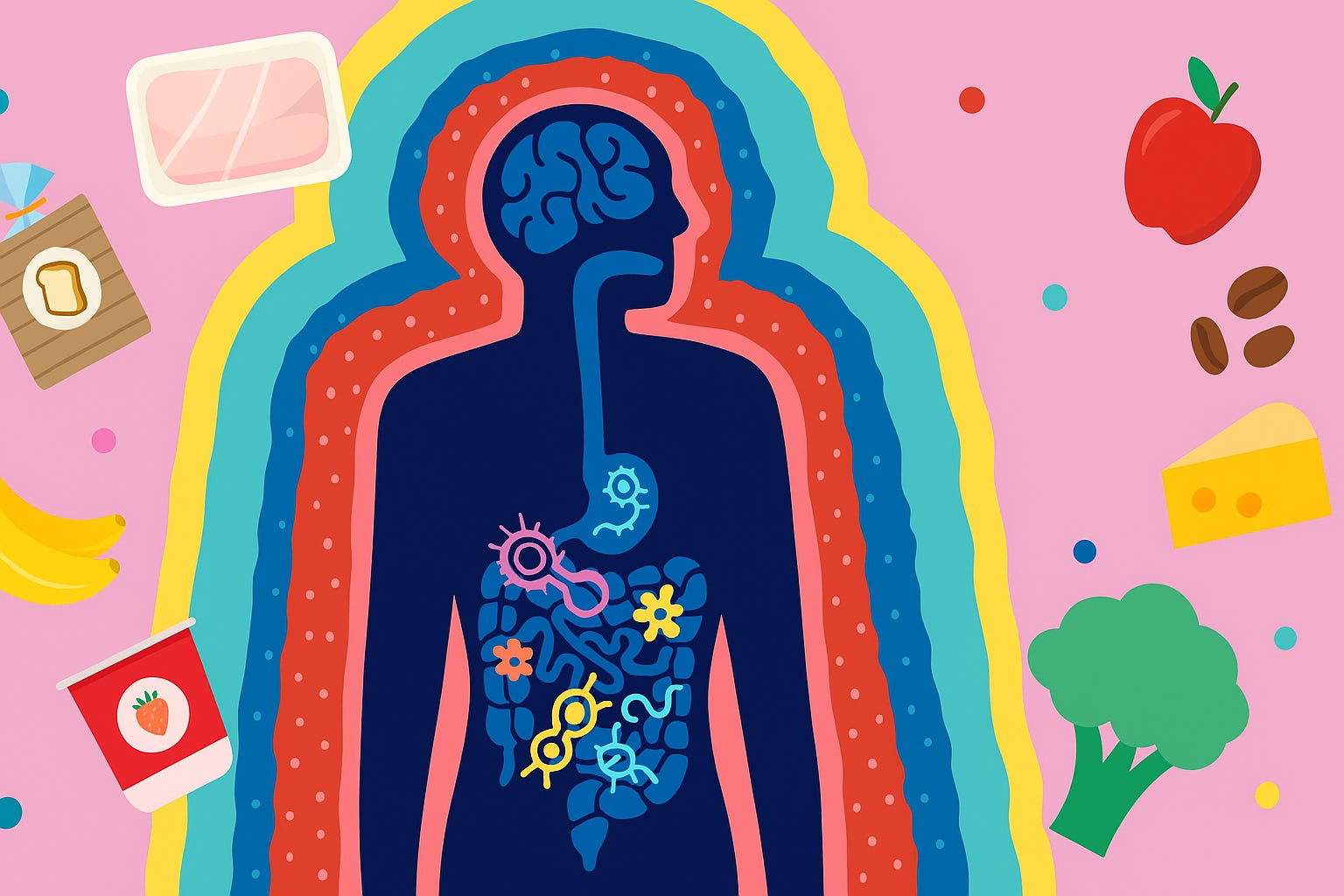
As I’ve begun thinking more deeply about biodiversity, I’ve realized how strongly it influences daily life. The gut microbiome especially interested me because it is shaped by every part of my routine—diet, weather, exposure to chemicals, stress, and the foods I eat at home. In other words, the dry weather of California, my school activities, and the roti and paneer I eat for dinner all contribute to the biodiversity of my gut microbiome. In turn, the microbiome affects not only physical health but also emotional well-being.
While learning more, I read several studies that made me think differently about this invisible ecosystem inside us. A 2024 Brigham and Women’s Hospital article described the largest and most ethnically diverse microbiome study to date, showing clear microbial signatures linked to Type 2 diabetes. NIH articles helped me understand how bacterial genes, metabolites, and even viruses within the gut can influence disease risk in ways we’re only beginning to map. Harvard Medical School also published work explaining how the microbiome affects metabolic pathways and even neurotransmitter production. Reading these sources made the connection between biodiversity, metabolism, and identity suddenly feel personal
.
This curiosity eventually grew into a project. The more I read, the more personal it became. I learned that South Asians are 4–6 times more likely to develop Type 2 diabetes than Caucasians. Seeing this statistic alongside the research I had read made me wonder whether differences in gut microbial diversity could be contributing to this disparity. I also saw patterns across studies—certain microbial species appeared more frequently in diabetic individuals, and some varied significantly across ethnic groups. That made me want to understand the biology behind these patterns, not just memorize them.
These papers motivated me to begin independent research, where I am now analyzing microbiome datasets using machine learning to understand how biodiversity inside the gut relates to metabolic differences across populations. My culture, family traditions, and scientific curiosity all converged in this question. It felt like everything I grew up with—California’s ecosystems, Indian ecological traditions, and my interest in biology—finally connected in a single place.
All in all, biodiversity has not only shaped my early childhood but continues to influence my health, identity, and scientific direction. Growing up between two biodiversity worlds has shaped who I am and whom I hope to become.